

 See My Latest Article on HelloNation
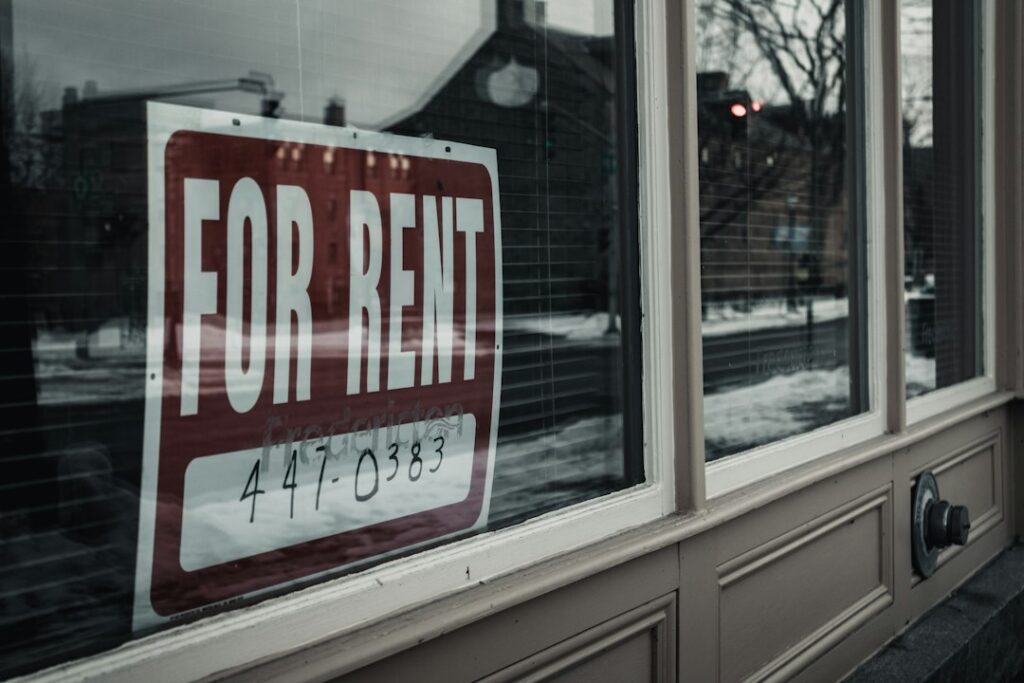
Late rent can create stress for residents and property owners, especially in a rental-heavy community such as Spring Lake, a community just outside of Ft. Bragg. The best response is usually prompt communication, careful review of the lease, and a clear understanding of North Carolina’s rental procedures.
What should a resident do after realizing rent will be late?
The first step is to notify the landlord or property manager as soon as possible. Explain the expected payment date, the amount available now, and whether the problem is a one-time delay or likely to continue.
A short, specific message is more useful than an uncertain promise. For example:
- “Rent is due on the first. I can pay $900 on the third and the remaining $300 on the seventh.”
- “My paycheck was delayed, but I expect the full payment by Friday.”
- “I can make the regular payment, but I need to confirm whether the late charge must be paid at the same time.”
Keep copies of messages, payment confirmations, receipts, and any written agreement. If the payment is made through an online portal, save the confirmation page or email.
A late payment should not be ignored. Silence can make it harder to correct a misunderstanding about the amount owed or the date payment will be accepted.
Does North Carolina have a grace period for rent?
North Carolina does not automatically provide a general grace period simply because rent is only a few days late. The lease usually controls the due date, any grace period, acceptable payment methods, and late charges.
A lease may say rent is due on the first but will not be considered late until a specified date. Another lease may treat rent as late immediately after the due date. Residents should read the sections covering:
- Rent due dates
- Grace periods
- Late fees
- Returned payments
- Notice requirements
- Accepted payment methods
- Lease default and termination
A landlord or property manager may choose to accept a late payment without taking further action, but that decision does not necessarily change the written lease for future months. A verbal promise should be confirmed in writing.
How much can a landlord charge as a late fee?
For many residential leases in North Carolina, a late fee must comply with state law and the written rental agreement. For monthly rent, the permitted late charge is generally limited to the greater of 5 percent of the monthly rent or $15, and it may generally be charged only once for that rental period. Different limits apply to weekly rental arrangements.
The lease should identify the fee clearly. A property owner generally cannot create a new late charge after the fact or impose an amount that conflicts with state requirements.
Residents should also distinguish between rent and other charges. A payment portal might show rent, a late fee, returned-payment charges, utilities, or court-related costs as separate entries. Ask for an itemized balance if the amount due is unclear.
Can a landlord start an eviction for late rent?
A landlord may pursue eviction for unpaid rent, but the process must follow North Carolina law. Eviction is called summary ejectment in the state.
A landlord cannot lawfully remove a resident by changing the locks, shutting off essential utilities, removing belongings, or physically forcing the resident out without going through the required court process. A notice, demand for rent, or filing is not the same as an immediate physical eviction.
North Carolina law generally allows a tenant an opportunity to pay rent after a proper demand before the tenancy is forfeited for nonpayment. However, the exact timing and effect can depend on the lease, the type of tenancy, the wording of the notice, and whether a court case has already been filed.
Residents who receive a written demand, summons, or court document should read it carefully and avoid assuming that paying online automatically cancels a court case. Payment may resolve the balance but may not resolve court costs, possession issues, or other claims unless the landlord confirms that in writing or the court records the result.
What happens after an eviction case is filed?
A summary ejectment case is handled through the court system. The papers should identify the hearing date and explain how the resident is expected to respond.
Residents should:
- Attend the hearing listed on the paperwork.
- Bring the lease, payment records, bank statements, receipts, and written communications.
- Bring proof of any payment made after the notice was delivered.
- Explain disputes about the amount owed or the payment date.
- Ask the clerk or court staff procedural questions if the documents are confusing.
Court staff cannot provide personal legal advice, but they can generally explain filing procedures and where a case is pending. A resident who receives a judgment or believes the notice is incorrect may need timely legal guidance because appeal deadlines and other deadlines can be short.
The situation can be more complicated for residents using a housing voucher, living in public housing, or renting under a subsidized program. An eviction may affect continued housing assistance, and those residents should seek qualified legal assistance promptly.
What if rent is late because of military pay, relocation, or an emergency?
In a community connected to Ft. Bragg, income timing can sometimes be affected by military pay schedules, permanent-change-of-station moves, temporary duty, emergency travel, or relocation expenses. These circumstances may explain a delay, but they do not automatically cancel the rent obligation.
Residents facing a predictable income disruption should communicate before the due date when possible. A written payment arrangement should state:
- The total balance
- The amount and date of each payment
- Any late fee
- Whether the arrangement changes the lease
- What happens if a scheduled payment is missed

Do not assume that a pending paycheck, assistance application, or expected reimbursement counts as payment until the funds are actually received and accepted.
Can a landlord refuse a partial payment?
A landlord may have a lease policy about partial payments, payment methods, and whether accepting part of the balance affects enforcement rights. A resident should ask before sending a partial amount, especially if the payment could be applied to fees rather than rent.
If partial payment is accepted, request a written statement showing how it was applied and what balance remains. A partial payment does not always stop an eviction process or create a new payment plan.
A payment that is rejected or returned should be addressed immediately. Ask whether another form of payment is required and retain proof that an attempt was made.
What should residents do if the late payment was caused by a bank or payment portal problem?
First, confirm whether the payment actually left the account. A pending transaction is not always a completed payment. Check for:
- Incorrect account or routing information
- A daily transfer limit
- A failed debit-card transaction
- A payment made after the portal’s cutoff time
- A returned electronic check
- A portal error or maintenance period
Notify the landlord or property manager and provide the transaction record. Do not submit repeated payments without checking whether the original transaction may still process, because duplicate payments can create a separate problem.
How can future late payments be prevented?
A reliable monthly routine can reduce avoidable problems:
- Review the lease calendar before the month begins.
- Set a reminder several days before rent is due.
- Confirm that automatic payments use current bank information.
- Keep an emergency reserve when possible.
- Report changes in employment, military orders, or household income early.
- Update contact information with the landlord or property manager.
- Save payment confirmations in one folder.
If late payments are becoming recurring, the underlying issue may require a realistic household budget, a change in payment timing, or assistance from a qualified housing or legal resource. Waiting until a court date usually leaves fewer options than addressing the problem when the first missed payment occurs.