

 See My Latest Article on HelloNation
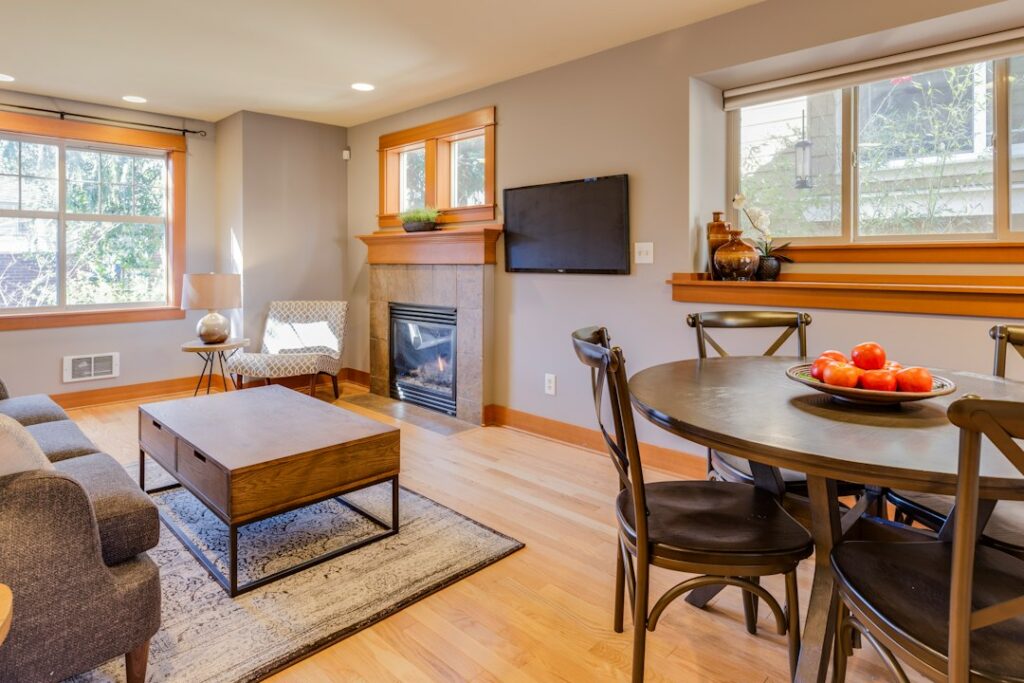
A rental listing has only a short time to answer a prospective resident’s basic questions: What is being offered, where is it, what does it cost, and would it fit daily life? A clear listing helps suitable applicants recognize the opportunity while reducing confusion, unnecessary inquiries, and misunderstandings later.
For households in Spring Lake, a community just outside of Ft. Bragg, practical details such as commuting, storage, outdoor conditions, utility costs, and seasonal weather may matter as much as the number of bedrooms. The strongest listings present those details plainly instead of relying on vague descriptions.
What information should appear at the beginning of a rental listing?
The opening lines should identify the property type, bedroom and bathroom count, monthly rent, availability date, and general location. Readers should not have to search through several paragraphs to find essential facts.
A useful opening summary may include:
- Apartment, townhouse, duplex, or single-family home
- Number of bedrooms and bathrooms
- Monthly rent and security deposit, if known
- Earliest move-in date
- Whether the property is furnished or unfurnished
- Parking arrangements
- Basic pet policy
- Utilities included in the rent
The listing does not need to answer every question immediately, but it should provide enough information for a reader to decide whether the property is worth further consideration.
Avoid headlines such as “Great Opportunity” or “Beautiful Home Available.” These phrases are broad and do not help residents compare one property with another. A more useful heading identifies the housing type and its most relevant features.
How should a rental property be described accurately?
Use specific, observable descriptions rather than exaggerated language. “Two-bedroom home with a fenced rear yard and washer connections” gives a prospective resident more useful information than “charming home with tons of extras.”
Descriptions should explain how the space functions. Consider mentioning:
- Approximate living area, when available
- Bedroom placement and privacy
- Closet or storage space
- Kitchen appliances and counter space
- Laundry connections or shared laundry areas
- Outdoor areas, porches, patios, or balconies
- Heating and cooling systems
- Flooring types
- Natural light
- Accessibility features
- Included parking or assigned spaces
Accuracy matters more than polished wording. If a room is small, describe it as a suitable office, nursery, or single bedroom only if that use is realistic. Do not call an unfinished area a bedroom unless it meets applicable requirements for safe and lawful occupancy.
Terms such as “recently updated” should also be explained. State whether the update involves paint, flooring, fixtures, appliances, or another specific improvement. Precise wording builds more trust than general praise.
What photos help a listing receive serious attention?
Good photos show the property’s layout, condition, and relationship between rooms. They should be bright enough to reveal surfaces and large enough for viewers to inspect basic details.
A practical photo sequence often includes:
- Front exterior and entry
- Living room
- Kitchen from more than one angle
- Each bedroom
- Bathrooms
- Laundry area
- Closets or storage areas
- Parking and outdoor space
- Any feature that affects daily use
Take photographs after cleaning, removing personal belongings, and turning on available lights. Open blinds when natural light improves visibility, but avoid photographs that make rooms appear much larger than they are.
Photos should not hide ordinary conditions such as limited parking, narrow hallways, older fixtures, or nearby access points. Presenting the property honestly may reduce the number of casual inquiries, but it improves the quality of interest and helps prevent disappointment during a showing.
Seasonal conditions also deserve attention. In a warm, humid climate, an exterior photograph can help show shade, drainage, covered entry space, or the condition of outdoor surfaces. A photo of a yard should not imply private use if the area is shared.
How can a listing explain rent and other costs clearly?
A rental listing should separate recurring charges from one-time costs. Confusing these amounts is a common reason prospective residents abandon a listing or feel misled.
Explain, as clearly as possible:
- Monthly rent
- Security deposit
- Application fee, if applicable
- Pet deposit, pet rent, or other animal-related charges
- Utility responsibilities
- Trash, water, or other recurring fees
- Parking charges
- Lease term and renewal conditions
- Late fees or other standard charges
If an amount depends on an individual review, property condition, utility usage, or another factor, say so rather than presenting a single figure that may not apply to everyone.
Avoid advertising a low base rent without clearly identifying mandatory monthly fees. The total expected housing cost is more useful than a headline number by itself. Residents often budget around transportation, food, utilities, and seasonal cooling expenses, so transparent cost information helps them make a realistic decision.

What local details are useful without overwhelming the reader?
A rental listing should explain practical surroundings without making unsupported claims about schools, crime, commute times, or neighborhood quality. Relevant local information may include proximity to major employment areas, general access to roads, nearby shopping corridors, public services, or commonly used transportation routes, provided the wording remains factual and current.
For households connected to Ft. Bragg, commuting considerations may be especially relevant. However, a listing should avoid guaranteeing a travel time because traffic, weather, construction, and work schedules can change. Phrases such as “convenient access to major routes” are less useful than describing the actual route or access point when that information is verified.
Other practical details may include:
- Whether the property is in a higher-density or lower-density setting
- Sidewalk or street-parking conditions
- Outdoor lighting
- Stormwater drainage features
- Yard maintenance responsibilities
- Seasonal pest-control expectations
- Rules for outdoor equipment or storage
Local context should help residents picture everyday life, not serve as a substitute for property facts.
How should rental requirements be presented fairly?
Eligibility and screening information should be consistent, readable, and applied equally to all applicants. A listing may explain income standards, credit or rental-history review, identification requirements, occupancy limits, and pet rules, but the language should not discourage protected groups from applying.
Avoid wording that suggests a preferred type of person, family, age group, religion, gender, disability status, or national origin. Descriptions such as “ideal for singles,” “perfect for families,” or “no children” can create fair-housing concerns even when the property itself is suitable for many households.
Use neutral statements about the home instead:
- “The property has two bedrooms and one bathroom.”
- “The upper-level unit is accessed by stairs.”
- “The lease permits one approved pet under the stated conditions.”
- “Occupancy is subject to applicable requirements.”
A clear listing describes the property and the rules without trying to control who should live there.
What common listing mistakes should be avoided?
Several small errors can make a listing appear unreliable:
- Using old photos that do not match the current condition
- Leaving out the availability date
- Listing a bedroom count that does not match the floor plan
- Failing to disclose shared driveways, laundry, or outdoor areas
- Using inconsistent rent amounts in different parts of the advertisement
- Describing utilities as included without explaining which ones
- Hiding required fees in fine print
- Promising repairs or upgrades without confirming timing
- Using all capital letters, excessive punctuation, or vague superlatives
- Publishing an address or access information that creates unnecessary security concerns
Before publishing, read the listing as someone unfamiliar with the property. Could that person understand the cost, layout, access, parking, utilities, and application process without guessing?
How can a listing be kept current?
A rental listing should be reviewed whenever the price, availability, photos, included appliances, fees, policies, or property condition changes. Remove or update the listing promptly after the property is no longer available.
A dated listing can create more than wasted time. It may cause applicants to make financial plans around incorrect information or arrive expecting features that no longer exist. A short, accurate listing is usually more effective than a long description that contains outdated details.
The goal is straightforward: give residents enough reliable information to decide whether the property fits their needs. Clear facts, honest photographs, transparent costs, and neutral language create a listing that stands out for the right reasons.