

 See My Latest Article on HelloNation
Rental property maintenance works best as a year-round routine rather than a response to emergencies. In Spring Lake, a community just outside Ft. Bragg, seasonal temperature changes, heavy rain, humidity, occasional freezing weather, and summer storms can affect roofs, drainage, HVAC systems, plumbing, landscaping, and indoor air quality.
A practical checklist helps property owners and residents identify small problems before they become expensive damage or safety concerns.
What should be checked at the start of every season?
At the beginning of each season, walk through the property inside and outside. Look for changes since the previous inspection, including new moisture, unusual odors, damaged screens, pest activity, or equipment that is operating differently.
A basic seasonal inspection should include:
- Testing smoke alarms and carbon monoxide alarms
- Checking for plumbing leaks beneath sinks, around toilets, and near water heaters
- Inspecting ceilings and walls for stains or peeling paint
- Looking at gutters, downspouts, roof edges, and exterior caulking
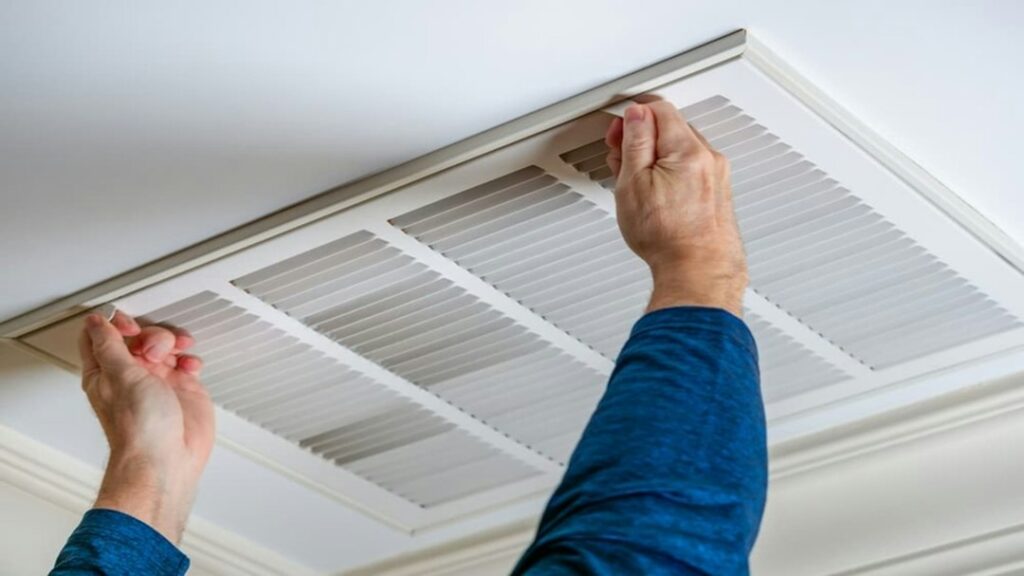
- Replacing HVAC filters according to the equipment and household conditions
- Checking doors and windows for drafts, damaged seals, or broken locks
- Confirming that exterior lights, handrails, steps, and walkways are safe
- Recording visible damage with dated photographs
North Carolina rental housing must meet applicable building and housing requirements, and landlords generally have responsibilities related to supplied plumbing, heating, ventilation, air-conditioning, electrical, and other essential systems. Seasonal inspections do not replace required repairs, but they can help reveal problems early.
What maintenance is most important in spring?
Spring is a good time to focus on water management, air-conditioning preparation, and exterior recovery after winter.
Heavy spring rain can expose drainage problems that are easy to miss during dry weather. Check whether water is collecting beside the foundation, under crawl-space access points, or near patios and walkways. Downspouts should discharge water away from the structure rather than directly against the foundation.
Inspect the roof from the ground for missing shingles, damaged flashing, sagging areas, or dark patches. Do not walk on a roof unless properly equipped and trained. Attic areas should be checked for signs of moisture, mold-like growth, damaged insulation, or daylight visible through the roof structure.
Before warmer weather arrives:
- Test the air-conditioning system before the first prolonged heat wave
- Clear leaves and debris from outdoor HVAC components
- Confirm that supply and return vents are not blocked
- Clean or replace the HVAC filter
- Check window screens for tears and loose frames
- Inspect exterior doors and weather stripping
- Look for standing water that could encourage mosquitoes
Humidity can also increase during the warmer months. Bathrooms, kitchens, crawl spaces, and laundry areas need adequate ventilation. Exhaust fans should vent properly, and residents should report persistent condensation, musty odors, or recurring dampness.
How should a rental property be prepared for summer heat?
Summer maintenance should protect the cooling system, reduce moisture problems, and prepare the property for severe weather.
Air-conditioning systems often work hardest during summer. A filter that is clogged with dust, pet hair, or pollen can restrict airflow and increase strain on the equipment. Residents should follow the lease instructions for filter replacement and promptly report weak airflow, unusual noises, water around the indoor unit, or a system that runs continuously without adequately cooling the home.
Exterior maintenance also matters. Trim vegetation away from HVAC equipment, windows, siding, and roof edges. Branches near the structure can scrape surfaces during storms and provide routes for insects and rodents.
Before thunderstorms or tropical weather affects the region, inspect:
- Loose gutters and downspouts
- Tree limbs over roofs, driveways, or electrical service lines
- Fence sections, gates, and sheds
- Outdoor furniture and unsecured storage
- Window and door seals
- Sump pumps or drainage systems, where present
Do not use portable generators, grills, or fuel-burning equipment inside a dwelling, garage, crawl space, or enclosed porch. These devices can produce deadly carbon monoxide even when doors or windows are open.
What should be done during fall maintenance?
Fall is the best time to prepare for cooler temperatures, falling leaves, and increased use of heating systems.
Remove leaves from gutters before they become compacted and block drainage. Check that downspouts remain connected and that water is directed away from the foundation. Leaves should also be cleared from window wells, exterior drains, crawl-space vents, and areas around outdoor equipment.
Heating systems should be tested before cold weather arrives. Watch for unusual odors, poor airflow, strange sounds, or repeated cycling. Never cover or block a combustion appliance’s vents, and keep flammable materials away from furnaces, fireplaces, water heaters, and other heat-producing equipment.
Fall is also a useful time to:
- Test smoke and carbon monoxide alarms
- Replace batteries if required by the alarm design
- Inspect fireplace or chimney components where applicable
- Check exposed pipes in unheated areas
- Seal obvious gaps around utility penetrations
- Look for roof damage before winter rain
- Trim tree limbs that could fall during wind

Alarms should be operable and installed in the locations required by applicable North Carolina rules and the manufacturer’s instructions. Tenants should report damaged or missing alarms rather than removing or disabling them.
How can rental properties be protected during freezing weather?
Freezing temperatures are less common than extreme summer heat in this area, but even a short cold snap can damage exposed plumbing. Pipes located in crawl spaces, exterior walls, garages, attics, or unheated storage areas deserve special attention.
Before a forecasted freeze:
- Disconnect and drain exterior hoses
- Protect exposed water lines where appropriate
- Keep indoor heat operating at a safe setting
- Open cabinet doors beneath sinks on exterior walls if directed by the property owner
- Know where the main water shutoff is located
- Report dripping faucets, frozen fixtures, or loss of water promptly
If a property will be vacant, utilities should not be shut off without a clear winterization plan. A vacant home can still experience burst pipes, roof leaks, equipment failure, or heat loss. Periodic checks are especially important after a freeze, severe storm, or extended power outage.
Which maintenance tasks should residents report immediately?
Some conditions should not wait for the next scheduled inspection. Prompt reporting can limit damage and protect occupants.
Residents should notify the appropriate property contact about:
- Active leaks or water appearing near electrical fixtures
- No heat during cold weather or no cooling during dangerous heat
- The smell of gas or burning materials
- Nonfunctioning smoke or carbon monoxide alarms
- Sewage backup or overflowing drains
- Significant roof leaks
- Electrical sparking, repeated breaker trips, or warm outlets
- Broken exterior doors, locks, windows, stairs, or railings
- Mold-like growth associated with ongoing moisture
In an immediate life-safety emergency, leave the area and contact emergency services. Do not attempt repairs involving gas lines, energized electrical systems, structural instability, or hazardous materials.
How should seasonal maintenance be documented?
A simple maintenance record can show what was inspected, what was found, and what remains unresolved. Keep dates, photographs, meter readings when relevant, service records, filter changes, alarm tests, tenant notices, and repair confirmations together.
Documentation is particularly helpful for recurring problems such as roof leaks, drainage, high humidity, HVAC performance, pest entry, or freezing pipes. A seasonal checklist should not be treated as a one-time form. It is most useful when compared across several years, allowing property owners and residents to identify patterns before they become major repairs.